
25 Minimalist Butterfly Tattoo Ideas + Expert Tips
Seeking a tattoo that whispers rather than shouts? Dive into our curated collection of minimalist butterfly designs, backed by artist insights on placement, style, and the subtle art of "less is more" ink.
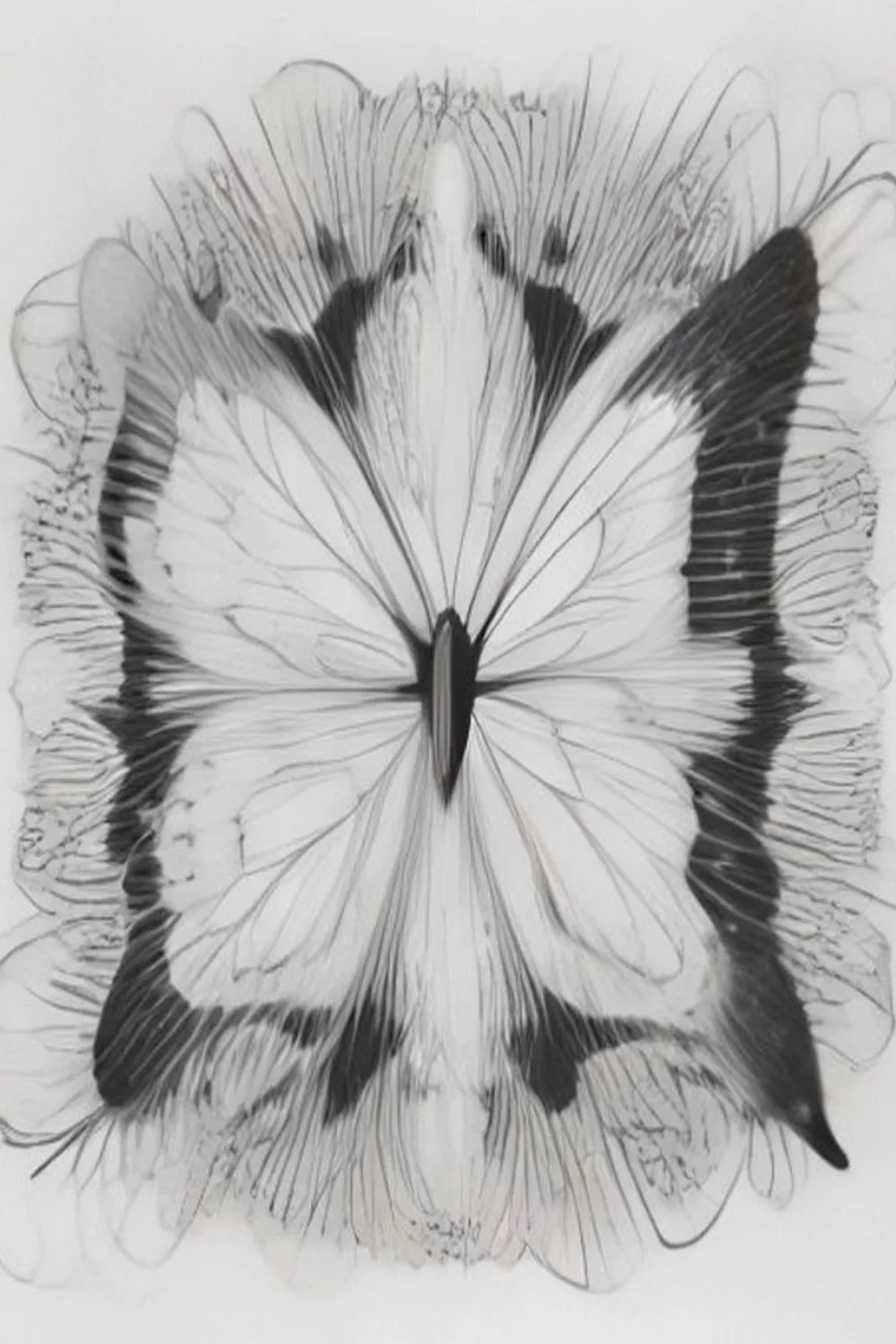
25 Minimalist Butterfly Tattoo Ideas: The Art of Subtle Transformation
- Minimalist butterflies are the ultimate symbol of quiet transformation, fitting any aesthetic.
- Placement is everything: The wrist, ankle, and behind-the-ear offer different levels of visibility and meaning.
- The "linework" style reigns supreme, but we break down all the nuances from dotwork to abstract geometry.
- Choosing the right artist is more critical than choosing the right design—here is the exact vetting process.
- Aftercare is non-negotiable for preserving those delicate fine lines; we detail a rock-solid routine.
1. Why the Butterfly? The Psychology of a Tiny, Powerful Symbol
Let's be honest: the butterfly is having a serious cultural moment. Hand aufs Herz: Das ist entscheidend. But unlike some trends that feel like a fleeting fad, the butterfly has a deep, anthropologically rich history that spans continents and centuries. In Japanese culture, it represents the soul of the living and the dead. In ancient Greek, the word for butterfly, psyche, also means "soul." In Christianity, it is a symbol of the resurrection.
But here is why it works so well today in a minimalist style: the butterfly is a paradox. Das ist kein Zufall. It is fragile yet resilient, delicate yet capable of epic migration. A minimalist design strips away the noise, leaving only the essential shape—the pure geometry of its wings. This mirrors the human experience of personal growth: shedding old layers, embracing vulnerability, and emerging with clarity.
The Psychological Weight of Tiny Ink
There is something profound about choosing a small, understated symbol over a large, loud one. Schauen wir uns die Praxis an. Psychologically, the minimalist butterfly operates as an internal anchor rather than an external announcement. When you place a tiny ink line on your body, you are engaging in what psychologists call "embodied cognition"—the idea that physical markers influence our mental state. Every time you catch a glimpse of that butterfly on your wrist, you are subconsciously reminded of your capacity for change, resilience, and beauty. It is a quiet, persistent affirmation that you carry with you.
The Cultural Tapestry: From Ancient Myths to Modern Rebellion
The butterfly's symbolism isn't monolithic; it shifts across cultures, and understanding this depth enriches your choice. Aus jahrelanger Praxiserfahrung: In Native American traditions, the butterfly is often seen as a messenger of dreams and a bringer of joy. In Celtic lore, it represents the soul's journey and the celebration of life's cyclical nature. In Mexico, the Monarch butterfly returns each Dia de los Muertos, symbolizing the returning spirits of loved ones. In Chinese culture, two butterflies together represent love and marital bliss. When you choose a minimalist butterfly, you are tapping into this vast, multicultural web of meaning, layering your personal story with centuries of human interpretation.
Why Minimalism Amplifies the Message
A hyper-realistic butterfly with vibrant colors and heavy shading can be visually stunning, but it often leaves nothing to the imagination. Klingt simpel? Ist es auch. Minimalism, conversely, engages the viewer. The empty space around the fine line invites questions. What does the open wing area represent? Why only one line? This ambiguity is the source of its power. It isn't a completed story; it is a prompt. The minimalist butterfly is a conversation starter, but only for those you choose to share it with. For everyone else, it is simply an elegant, understated mark of taste.
Choosing a minimalist butterfly is a statement of intent. Ein typischer Denkfehler in der Praxis: You aren't shouting; you are signaling a private truth. It’s not about the size; it’s about the precision. A single, unbroken line can convey more about your journey than a hyper-realistic, shaded 8-inch piece. When you opt for minimalism, you are choosing elegance over spectacle. You are saying, "I have transformed, and I carry it with grace." That is a powerful message to etch into your skin.
2. The Anatomy of Minimalism: Linework, Dotwork, and Negative Space
Before you sit in the chair, let's talk technique. Warum ist das so wichtig? "Minimalist" doesn't mean "easy." In fact, the best minimalist tattoos are often the hardest to execute. They leave zero room for error. A shaky line is glaringly obvious when there's no shading to distract the eye.
In the practice, we see three dominant technical pillars for this style:
Linework (The Classic)
This is the undisputed king of the niche. Fakt ist: We are talking about a single continuous line (or a few deliberate ones) that forms the outline of a butterfly. The beauty lies in the varying weight of the line. A skilled artist will use a fine needle (think 3RL or 5RL) to create a hair-thin line that tapers elegantly. This requires a steady hand and a deep understanding of pressure. You want the line to look like it was drawn with a 0.05mm pigment liner, not a ballpoint pen.
The mastery of linework lies in what artists call "line confidence." A confident line is smooth, even, and unbroken. Hier scheiden sich die Geister. Hesitation shows. When you look at an artist's portfolio, examine the curves of their butterflies. Do the wings flow organically, or do they look segmented and stiff? The best fine-line artists make the butterfly look like it could flutter off the skin at any moment. They achieve this by varying the pressure—lighter at the wing tips, slightly firmer at the body—to create a sense of depth without adding a single drop of shading.
Dotwork (The Stippled Look)
Instead of a solid outline, the shape is built using thousands of tiny dots. Das verändert das Gesamtergebnis komplett. This creates a soft, textured, almost ethereal aesthetic. It diffuses the light beautifully and ages incredibly well because the ink spreads less. Dotwork butterflies often look like they are shimmering or vibrating on the skin. It is a fantastic choice if you want something softer than a hard outline.
The technical precision required for dotwork is extraordinary. Probieren Sie es selbst aus. Artists often use a single needle or a tight grouping to place each dot individually, building up density gradually. The gradient from sparse dots to dense clusters creates the illusion of shadow and form. This technique is slower and more meditative, both for the artist and the client. It is an excellent choice for those who appreciate craftsmanship and the beauty of imperfection—no two dots are ever perfectly identical, which gives the tattoo an organic, hand-made quality.
Negative Space (The Illusionist)
This is where the artist uses your natural skin tone as the "color." They might tattoo a solid black block and cut out a butterfly shape from it, or they might use thin outlines to suggest a body and wings, leaving the interior completely bare. Die Zahlen sprechen für sich. This is a high-level design technique that creates a striking visual illusion. It feels modern, architectural, and incredibly sophisticated.
The success of negative space work depends entirely on the artist's understanding of composition and contrast. The shape of the butterfly must be instantly recognizable even though it is defined by what's not there. This inversion—using ink to create emptiness—is a hallmark of sophisticated design. It works beautifully on areas with good skin elasticity, like the shoulder blade or upper arm, where the negative space can breathe without distortion.
The Supporting Cast: Fine Line vs. Single Needle
You will hear these terms used interchangeably, but there's a subtle difference. "Fine line" refers to the overall style—thin, delicate lines. "Single needle" refers to the tool—a needle configuration that uses just one needle point. Single needle work is the most extreme form of fine line, producing hair-thin strokes that are incredibly elegant. However, it also requires the most skill, as the margin for error is microscopic. Discuss with your artist which tool they prefer for your specific design.
Profi-Tipp für Eltern: If you are a parent designing a matching tattoo with a child (over 18, of course), or just a creative soul, look at the "mama & baby" butterfly motifs. They often use two simple lines—one long, one short—to show connection without cluttering the design. The size difference creates a beautiful visual rhythm and tells a story of nurturing and growth without a single word.
3. Placement Guide: Where Your Butterfly Takes Flight
Placement is the silent partner in your tattoo's success. It dictates the flow of the design, its visibility, and even its longevity. The same butterfly that looks charming on an ankle might look awkward on a collarbone. The key is understanding how the design interacts with the body's natural topography—muscles, bones, and skin elasticity. Here is the honest breakdown of the best spots for a minimalist butterfly:
The Wrist (The Classic)
This is prime real estate. It's visible to you and others, which makes it excellent for a daily reminder of your resilience. However, be prepared: the inner wrist is a high-movement area with thin skin. It requires a light touch from the artist to prevent "blowouts" (ink spreading under the skin). A small, 1-inch butterfly here is timeless.
The wrist offers a unique advantage: it moves. When you gesture, type, or reach for something, the butterfly seems to flutter. This dynamic quality makes the tattoo feel alive. The downside is that the wrist is constantly exposed to sun and friction, so diligent sunscreen application is essential. For those with very fair skin, consider a slightly larger design (1.5 inches) to allow for natural ink spread over the decades without losing the shape.
The Ankle (The Flirty Whisp)
This placement feels feminine and playful. A butterfly resting on the ankle bone or slightly higher on the Achilles tendon creates a lovely silhouette. Because this area sees less sun, the ink tends to last longer and fade less. The ankle is also an area that can be easily concealed or revealed, giving you control over who sees your tattoo.
The outer ankle bone is the most popular spot here, as it provides a natural curve that echoes the butterfly's wing shape. The inner ankle, closer to the Achilles tendon, is more sensitive due to the thinner skin, but it offers a more intimate placement. For a slightly bolder look, consider placing the butterfly on the side of the foot, where it can peek out from sandals.
Behind the Ear (The Secret Whisper)
This is for the one who wants the tattoo for themselves. It’s intimate. It rarely sees the sun, meaning it will stay crisp for years. It’s a hidden gem that only appears when you pull your hair back. It is subtle, yes, but it is also one of the most painful spots due to the proximity of the bone.
The vibration of the needle near the ear can be disconcerting, even if the pain is manageable. However, the result is undeniably magical. This placement is perfect for a tiny, simple linework butterfly—something that feels like a secret you share with the world only when you choose. It is also a great spot for those who have professional environments where visible tattoos are frowned upon.
The Shoulder Blade (The Canvas)
If you want to go slightly bigger—say, 3 to 4 inches—the shoulder blade offers a flat, stable canvas. It allows the artist to play with negative space and line weight more effectively. It’s a beautiful spot that allows for a graceful, sweeping design.
The shoulder blade is a canvas that supports both minimalism and complexity. Because the skin is thicker and tauter here, the artist can use a slightly heavier hand, ensuring the ink sets well. This is also a fantastic area for geometric butterflies or designs that incorporate the natural line of the scapula. It is a placement that feels powerful and grounded.
The Collarbone (The Elegant Frame)
This placement follows the horizontal line of the bone, making it a beautiful way to frame the neck and décolletage. The butterfly can be positioned to follow the natural lines of the body, enhancing your anatomy. It is a placement that draws the eye and adds a touch of elegance to any neckline.
The collarbone is a delicate area with minimal fat, so the pain can be moderate. However, the aesthetic payoff is significant. A butterfly placed here can be oriented to mirror the angle of the bone, creating a harmonious flow. It is a favorite among those who want their tattoo to be visible in off-the-shoulder tops or low-cut dresses.
The Forearm (The Versatile Display)
Less commonly discussed but equally beautiful, the forearm offers a slightly larger canvas than the wrist while still being easily visible. A minimalist butterfly placed here can be oriented vertically, following the line of the arm, or horizontally, creating a different visual dynamic. This placement is ideal for those who want their tattoo to be a part of their everyday aesthetic but with a bit more room for detail.
The Ribcage (The Intimate Statement)
For the truly bold, the ribcage offers a hidden, deeply personal placement. The pain is significant—the skin is thin, and the needle vibrates against the bone. However, the result is a tattoo that is entirely yours, hidden from the world except for the most intimate moments. A minimalist butterfly here can be slightly larger, allowing for more intricate linework or a delicate dotwork gradient.
Häufiger Fehler vermeiden: Do not place a minimalist butterfly on the palm of your hand or on your fingers unless you are prepared for it to fade rapidly and require frequent touch-ups. The skin regenerates too quickly there, and fine lines will bleed into a blur within 12-18 months. Let's save you the heartbreak and the money.
4. Design Variations: From Blueprint to Masterpiece
Now, for the fun part—the designs. Here is a breakdown of the most requested minimalist variations, and the specific design logic behind each one.
| Style Variation | Description | Best For | Potential Pitfall |
| Placement / Category | Size & Scale | Pain Rating (1-10) | Visibility & Fine Line Detail |
|---|---|---|---|
| Fine Line Outline | A single, hair-thin line forming the wing structure. No shading, no fill. | The true purist. Works best at 1-2 inches. | Requires a top-tier artist; poor execution results in a messy, "scratchy" look. |
| Geometric & Abstract | The butterfly is broken down into triangles, circles, or angular lines. It feels modern and architectural. | Those who love design and structure. | Can feel too "cold" if not balanced with a curve. Ensure the artist includes a slight arc to suggest the wings. |
| Dotwork / Stippling | The shape is filled with thousands of dots, creating a soft grey gradient. | A softer, more organic look that ages gracefully. | Takes longer to tattoo, so it may be slightly more expensive per square inch. |
| Line + Single Pop of Color | A minimalist black outline with a single, solid red (or blue, or yellow) dot on the wing. | The person who wants a hint of rebellion. | The color must be applied solidly; a patchy fill ruins the minimalist aesthetic. |
| Negative Space Silhouette | A solid black shape with the butterfly "cut out" of it. | A bold, modern, high-contrast look. | Requires an artist who is a master of composition. It is often larger than you think to make the "cutout" visible. |
| Botanical Fusion | The butterfly's wings are formed by delicate leaves or a single flower stem. | Nature lovers who want a layered meaning. | Can become too busy if not edited carefully. The butterfly shape must remain dominant. |
| Constellation Butterfly | The body is formed by a constellation pattern, with stars as the wing tips. | Stargazers and those who see meaning in the cosmos. | Requires a design that balances celestial dots with the recognizable butterfly silhouette. |
| Double Exposure | A silhouette of a face or a market is subtly integrated into the wing shape. | Those who want a deeply personal, narrative tattoo. | This is a complex design; find an artist who specializes in this specific technique. |
| Abstract Brush Stroke | A single, bold sweep of ink that suggests the butterfly's form without a defined outline. | The modern art lover who prefers suggestion over precision. | The "sweep" must be designed to age well; too thin and it will break up over time. |
| The "V" Wing Shape | The top wings are subtly sharpened into a "V," representing victory. | Those who have overcome a specific challenge. | The "V" must be integrated naturally, not forced, or it will look like a typo. |
| The Fibonacci Spiral | The butterfly's body is replaced by a golden ratio spiral, connecting to mathematics. | The analytically minded who see beauty in structure. | The spiral must be sized proportionally to the wings; too small and it becomes a blur. |
| The Hidden Date | Negative space is used to hide a significant date in the wing pattern. | Those who want a secret, personal detail. | The date must be subtly integrated; if it's too obvious, it defeats the purpose of minimalism. |
A Quick Word on the "Blue Morpho" (The Hidden Trend)
We see a rising trend in the DACH region for "Blue Morpho" butterflies done in a minimalist style. Instead of a solid fill, artists use thin, horizontal lines to suggest the vibrance of the blue wings without using heavy color saturation. This creates a shimmering effect that looks like the actual insect. It is a gorgeous compromise between minimalist and full-color. The technique involves layering fine lines at varying densities to create the illusion of color and light. It is clear proof of the skill of the artist and a unique take on a classic design.
Matching Tattoos: A Special Consideration
Minimalist butterflies are a popular choice for matching tattoos—between friends, siblings, or parent and child. The key is to choose a design that works both as a standalone piece and as a pair. For example, two halves of a single butterfly, each on a different person, is a beautiful metaphor for connection. Alternatively, a larger butterfly on one person and a smaller one on the other can represent a mentor-mentee relationship. The possibilities are endless, but the design must be planned carefully.
5. The Non-Negotiables: Choosing Your Artist and the Consultation
Let’s be brutally honest: you shouldn't walk into a flash shop and ask for a minimalist butterfly on a whim. This style requires a specialist. Here is the exact vetting process I recommend to my clients:
The Portfolio Deep-Dive
Look for artists who specifically advertise "Fine Line" or "Single Needle" in their portfolio. Do not look at their flash sheets; look at their healed tattoos. Ask to see photos of tattoos that are at least 6 months old. This shows you how the ink settles into the skin, not just how it looks fresh. A fresh tattoo can look crisp and perfect, but the true test is how it heals. Look for lines that have remained crisp, not fuzzy. Look for consistent ink density, not patchy areas.
The "Line" Test
Look at their line work on curved surfaces (like wrists or ribs). Do the lines look straight and consistent? Or are there visible "blowouts" (blurry spots)? In minimalist work, a single blowout ruins the entire piece. Also, examine their work on different skin tones. A fine-line artist should be able to adapt their technique to ensure the lines are visible and crisp on both fair and deeper skin tones.
The Consultation Vibe
During your consultation, ask them to draw the design on you with a marker. Does it feel balanced? Do they actively listen to your placement concerns? If they are dismissive or try to upsize you aggressively, walk away. A good artist wants the tattoo to work for your body. They should be asking you about your lifestyle (do you work with your hands?), your pain tolerance, and your long-term plans for the area. This is a collaboration, not a transaction.
The Hygiene Question
This isn't a "trust me" thing. Watch them open the sterile needle packet. Watch them set up their station. It should be methodical and clean. If anything feels off, leave. A reputable studio will have an autoclave for sterilizing equipment, and they will be happy to show you their sanitation protocols. Never be afraid to ask questions about hygiene; your health is non-negotiable.
The "Red Flag" Checklist
They refuse to show healed photos: This is a major red flag.
They are vague about pricing: A reputable artist will give you a clear quote after the consultation.
They pressure you to book: A good artist will respect your need to think it over.
They are dismissive of your design ideas: You are the one wearing the tattoo; your input matters.
Material-Empfehlung: For your consultation, bring a photo of the style you like, not the exact tattoo. You want the artist to draw something unique for you. Also, wear clothing that allows easy access to your chosen placement spot.
6. The Pain Factor & The Emotional Experience
"We need to talk about the sting." That is a sentence I say to every first-timer. The pain is a real variable. A minimalist tattoo is usually quick—anywhere from 15 minutes to an hour—which is a blessing. But the intensity varies significantly based on placement, your personal pain tolerance, and even your stress levels on the day of the appointment.
The Pain Scale by Placement (Honest Numbers)
Here is the reality check on pain by placement:
- Wrist/Ankle: 3/10. It feels like a cat scratch that vibrates. Very manageable. The skin is relatively thin, but there's enough muscle and fat to cushion the needle.
- Forearm: 2/10. The outer forearm is one of the least painful spots due to the thicker skin and muscle. An excellent choice for first-timers.
- Collarbone: 6/10. The skin is thin over the bone, and the vibration can feel intense. It can also feel like it radiates down the arm.
- Behind the Ear: 7/10. The sound of the needle near your ear is often more unsettling than the actual pain. The proximity to the skull bone amplifies the vibration.
- Ribcage: 8/10. This is a big commitment for a minimalist piece, save it for a larger design. The pain is sharp and can make it difficult to remain still.
The Emotional Side: The Unspoken Truth
Here is what nobody tells you. The act of sitting for a tattoo, even a tiny one, is an act of self-authorization. You are taking control of your narrative. You are choosing to mark a moment of growth. That feeling of empowerment is worth more than the ink itself. It is a form of art therapy—a permanent declaration of self-love.
Many clients report a feeling of calm or even euphoria after getting a small tattoo. This is partly due to the release of endorphins during the process, but it is also psychological. You have made a decision, followed through, and permanently altered your body to reflect your inner truth. There is a profound sense of agency in that.
Managing the Nervousness
If you are anxious, communicate that to your artist. They are professionals and have seen every type of client. They can take breaks, talk you through the sensation, and adjust their approach. Deep breathing helps. Avoid caffeine on the day of your appointment, as it can make you jittery. Eat a good meal beforehand to keep your blood sugar stable. And remember, the pain is temporary, but the art is forever.
7. The Aftercare Bible: Keeping the Lines Crisp for Decades
You’ve paid for the art; now you've to protect the investment. A minimalist tattoo has no shading to hide fading. The lines will blow out or blur if you neglect aftercare. Here is the no-nonsense routine:
The First 24 Hours
| Stage | Duration | Action | Warnings |
| Placement / Category | Size & Scale | Pain Rating (1-10) | Visibility & Fine Line Detail |
|---|---|---|---|
| The Wrap | First 2-6 hours | Keep the artist's bandage (Saniderm or plastic wrap) on. | Do NOT take it off early and re-wrap. Let it breathe. |
| The First Wash | After removing the wrap | Wash gently with unscented, antibacterial soap and lukewarm water. Use your fingertips, not a washcloth. | Do not scrub. Do not let water pressure blast the tattoo. Pat dry with a clean paper towel. |
| The First Moisturize | After washing | Apply a very thin layer of fragrance-free lotion or tattoo-specific balm. | Less is more. A thick layer suffocates the skin and can pull out the ink. |
The Healing Process (Weeks 1-4)
| Stage | Duration | Action | Warnings |
| Placement / Category | Size & Scale | Pain Rating (1-10) | Visibility & Fine Line Detail |
|---|---|---|---|
| The Peel | Days 3-7 | The skin will start to peel and flake. Let it happen naturally. | Picking the scabs will pull out the ink, leaving a blank spot in your linework. |
| The Itch | Days 5-10 | The area will itch. Do not scratch. | Slap the area gently or apply a cold compress to relieve the itch. |
| The Settle | Weeks 2-4 | The skin will return to normal, and the lines will settle into their final state. | Continue to moisturize but don't over-moisturize. |
The Long-Term Care (Forever)
| Stage | Duration | Action | Warnings |
| Placement / Category | Size & Scale | Pain Rating (1-10) | Visibility & Fine Line Detail |
|---|---|---|---|
| Sun Protection | Forever | Apply SPF 50 sunscreen to the tattoo whenever it’s exposed to the sun. | UV rays are the #1 killer of fine lines. Sun exposure will turn your crisp black line into a blurry blue-grey mess. |
| Moisturizing | As needed | Keep the area moisturized to maintain skin elasticity. | Dry skin can make a fine line look cracked and aged. |
| Touch-Ups | As needed | Over time, all tattoos fade. A quick touch-up every 5-10 years can keep your butterfly looking fresh. | Do not wait too long; a faded line is harder to match. |
Profi-Tipp für Eltern: If you are active (gym, swimming), wait at least 2 weeks before submerging the tattoo or working up a heavy sweat. Sweat is salty and can irritate the healing skin, leading to ink loss. Also, avoid tight clothing that rubs against the fresh tattoo.
8. Cost Considerations: You Get What You Pay For
Let’s talk money. I see people trying to save $50 and ending up with a $500 laser removal bill. That is a terrible trade. The cost of a tattoo isn't just for the ink and the time; it is for the artist's years of practice, the sterile equipment, and the safe environment.
The Pricing Breakdown (US/DACH Market)
Here is the honest pricing guide for the US/DACH market:
- Shop Minimum: Most reputable shops have a minimum of $50 - $100 (or €50-€100). This covers the cost of the sterile setup, which is non-negotiable.
- The Simple Line: A tiny, 1-inch linework butterfly will likely cost $80 - $150. It's quick, but you are paying for the artist's skill and the facility's safety.
- The Detailed Dotwork: A 2-3 inch piece with detailed stippling or advanced negative space will run $150 - $300+.
- The Custom Design: If you are asking for a unique, highly personalized design that requires significant drawing time, expect to pay a premium. This is a sign of a good artist—they value their design time.
The Hidden Costs
Do not forget to budget for aftercare products. A good tattoo balm and a high-SPF sunscreen are essential investments. You should also consider the cost of a potential touch-up appointment down the line. While many artists offer free touch-ups within a certain timeframe, it is always good to ask.
Why Cheap is Expensive
A bargain tattoo often means:
Inferior ink: Low-quality ink can fade, change color, or cause allergic reactions.
Unsterile equipment: This is a non-negotiable health risk.
Inexperienced artist: You will likely end up with a blowout or a shaky line that needs expensive laser treatment to remove or a cover-up tattoo.
The Takeaway: Do not negotiate on price. If an artist is significantly cheaper than everyone else, they are cutting corners somewhere—either on hygiene, their time, or their skill. A minimalist tattoo is an investment in your own confidence. Treat it as such.
9. Beyond the Style: Incorporating Meaning & Personalization
You can make your minimalist butterfly uniquely yours. It doesn't have to be a generic shape. Here is how we add a personal layer:
The "V" Wing Shape
Look at the top wings. If you subtly sharpen them into a "V" shape, it can represent "Victory" over a challenge. This is a clever way to encode a personal triumph without making it obvious to the casual observer. The "V" becomes a private sigil of your resilience.
The Hidden Date
Use negative space to hide a birthday or anniversary in the wing pattern. It is a secret only you know. The date can be integrated into the pattern of dots or the angles of the wings. It is a deeply personal detail that transforms the tattoo from a simple symbol into a permanent talisman.
The Fibonacci Spiral
Instead of a traditional body, use a tiny golden ratio spiral in the center. This connects the butterfly to mathematics and the order of nature. It is a choice that speaks to a love of logic, pattern, and the underlying structure of the universe. It is a subtle nod to those who see beauty in the mechanics of life.
The Floral Fusion
Have a single, delicate stem of a flower form the lower wing. This beautifully blends the themes of growth (flower) and transformation (butterfly). The floral element can be a personal favorite—a rose for love, a lily for purity, a sunflower for adoration. This fusion style grows in popularity because it tells a two-part story.
The Constellation Connection
Incorporate a meaningful constellation into the wings. For example, the Pleiades, known as the "Seven Sisters," can be a tribute to family. A zodiac constellation can represent a birth month. The dots of the stars replace the traditional stippling, giving the butterfly a cosmic dimension.
The Asymmetrical Wing
A butterfly with one wing larger or slightly different from the other is a powerful metaphor for imperfection, growth, and the beauty of asymmetry. This design choice is deeply personal and can represent a journey of accepting one's flaws. It is a modern, thought-provoking take on the classic butterfly.
The Color Accent
While minimalism often means black ink, a single pop of color can be profoundly meaningful. A small dot of red on the wing tip can symbolize a heart, a passion, or a lively spirit. A dot of blue can represent calm and clarity. The color is a deliberate choice that adds a layer of narrative without compromising the minimalist aesthetic.
- Creativity Tip: Look at a butterfly's anatomy. The antennae are often the most expressive part. Ask your artist to curve them in a way that suggests motion or direction. It adds a dynamic quality to an otherwise static shape. The antennae can also be used to incorporate a tiny, personal symbol—like a heart, a star, or a musical note.
10. Frequently Asked Questions (FAQ)
- 1. Will a minimalist butterfly tattoo age well?
Yes, if done correctly. The key is to ensure the artist uses a fine needle but doesn't tattoo too shallowly. The line must be placed in the dermis layer. Also, the design must be large enough to allow the ink to spread slightly over the years without turning into a blob. A 1-inch butterfly is fine, but a 0.5-inch one may lose its detail in a decade. The aging process also depends on your skin type, sun exposure, and aftercare diligence. Those who apply sunscreen religiously will see their fine lines remain crisp for decades. It is also wise to choose a design with slightly thicker lines in the body of the butterfly, as this is the first area to show signs of wear.
- 2. Can I use a temporary tattoo to test the placement?
Absolutely. I highly recommend it. You can order custom temporary tattoos online, or use a fine-tipped eyeliner to trace the design and wear it for a day. This gives you a realistic idea of how the flow works with your body’s movement. Pay attention to how the tattoo looks when you move your wrist, bend your ankle, or wear different clothing. You might discover that a placement you thought was perfect feels awkward in daily life. This simple test can save you from a lifetime of regret. Also,, many artists now offer "try-on" services where they create a temporary stencil that you can wear for a few days before committing.
- 3. Is a minimalist butterfly suitable for a man?
100%. The beauty of minimalism is its gender neutrality. A geometric, angular butterfly with heavy black negative space looks incredibly masculine and modern. It is all about the execution and line weight. Consider a design that uses straight lines and sharp angles rather than flowing curves. A larger piece on the shoulder or upper arm can look powerful. The butterfly's symbolism—transformation, resilience, and strength—is universal. It is a symbol of the human spirit, not of a specific gender.
- 4. What if I want to add to it later?
That is the magic of this style. A minimalist butterfly is the perfect starting point for a larger sleeve. You can easily add flowers, stars, or other insects around it without clashing styles. It’s a versatile foundational piece. The butterfly can become a central motif, with other elements branching out from it. Or, it can be a small, standalone piece that you add to over time. The key is to plan the initial design with future expansion in mind. Discuss your long-term plans with your artist; they can help you position the butterfly so it leaves room for growth.
- 5. How long does the actual tattooing take?
For a single line butterfly, expect 15 to 20 minutes of actual needle time. For a more complex dotwork piece, it could take 45 to 60 minutes. Always schedule for longer than you think, but know that it is a quick appointment compared to larger pieces. The consultation and setup will likely take longer than the tattoo itself. This is a good thing—it means the artist is taking their time to ensure the stencil is perfect and the environment is sterile.
- 6. Can I get a minimalist butterfly tattoo while pregnant or breastfeeding?
This is a medical question, and you should always consult with your healthcare provider. However, most medical professionals recommend against getting any tattoo while pregnant due to the risk of infection and the stress response it can trigger. During breastfeeding, the primary concern is the transfer of ink particles into the breast milk, which is theoretically possible but not well-studied. It is generally considered a low-risk procedure, but the safest course of action is to wait until after you've finished breastfeeding.
- 7. What is the difference between a minimalist butterfly and a "simple" butterfly tattoo?
The terms are often used interchangeably, but there's a subtle difference. A "simple" tattoo might be a basic outline or a small filled-in shape. Minimalism is a design philosophy that emphasizes the reduction of elements to their essential form. A minimalist butterfly isn't just simple; it is deliberately stripped back. Every line must have a purpose. The negative space is as important as the ink. A minimalist design is about intention and restraint, not just a lack of detail. When you choose a minimalist butterfly, you are making a statement about your aesthetic—and your life.
Conclusion: Your Stainless Canvas Awaits
The minimalist butterfly is more than a trend. It is clear proof of the power of restraint. It proves that a few perfect lines can hold more meaning than a canvas full of color. It is a symbol of your own evolution, drawn with the precision of a master calligrapher. In a world that is often loud, busy, and overstimulating, the minimalist butterfly is a whisper. It is a quiet reminder of the beauty of simplicity, the power of transformation, and the elegance of a well-chosen line.
Take your time. Find the right artist. Trust the process. And when you look down at that tiny, elegant line on your wrist, you'll remember not just what you overcame, but who you became. The butterfly isn't just a design; it is a philosophy. It is the art of becoming, captured in ink.
Your journey deserves a mark of grace. Go get it.
Filed Under Topics
Related Publications
Unterarm Tattoo Männer 2026: Der Guide
Der Unterarm ist die Leinwand des Jahres 2026. Wir zeigen dir die angesagtesten Motive, Stile und geben dir Profi-Tipps für dein nächstes Tattoo.
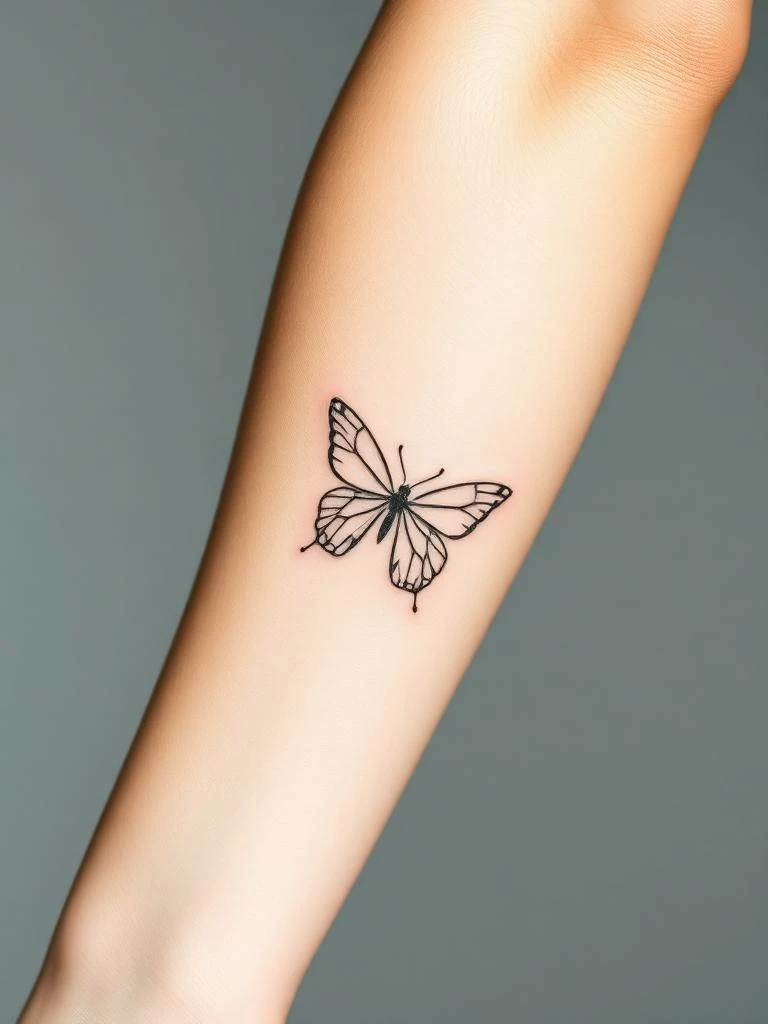
Minimalistische Tattoo-Ideen zum Ausmalen | Kreative Vorlagen
Minimalistische Tattoo-Ideen treffen auf kreative Ausmalbilder: Entdecke, wie du filigrane Motive als Malvorlagen nutzt, um dein Traum-Tattoo zu visualisieren oder einfach entspannend zu kolorieren. In diesem Guide findest du pädagogische Tipps, Materialkunde und Schritt-für-Schritt-Anleitungen.
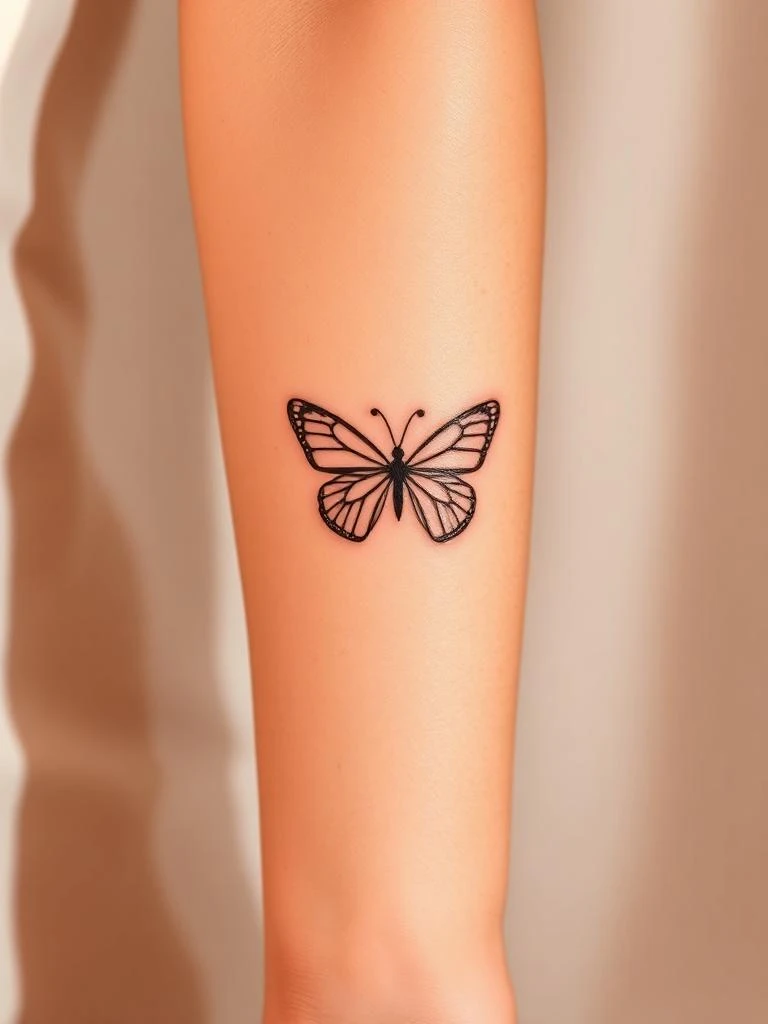
Minimalist Butterfly Tattoo Ideas: 45+ Designs That Wow
Explore the delicate art of minimalist butterfly tattoos. From fine-line elegance to geometric precision, find the perfect design and placement for your first or next piece of ink.