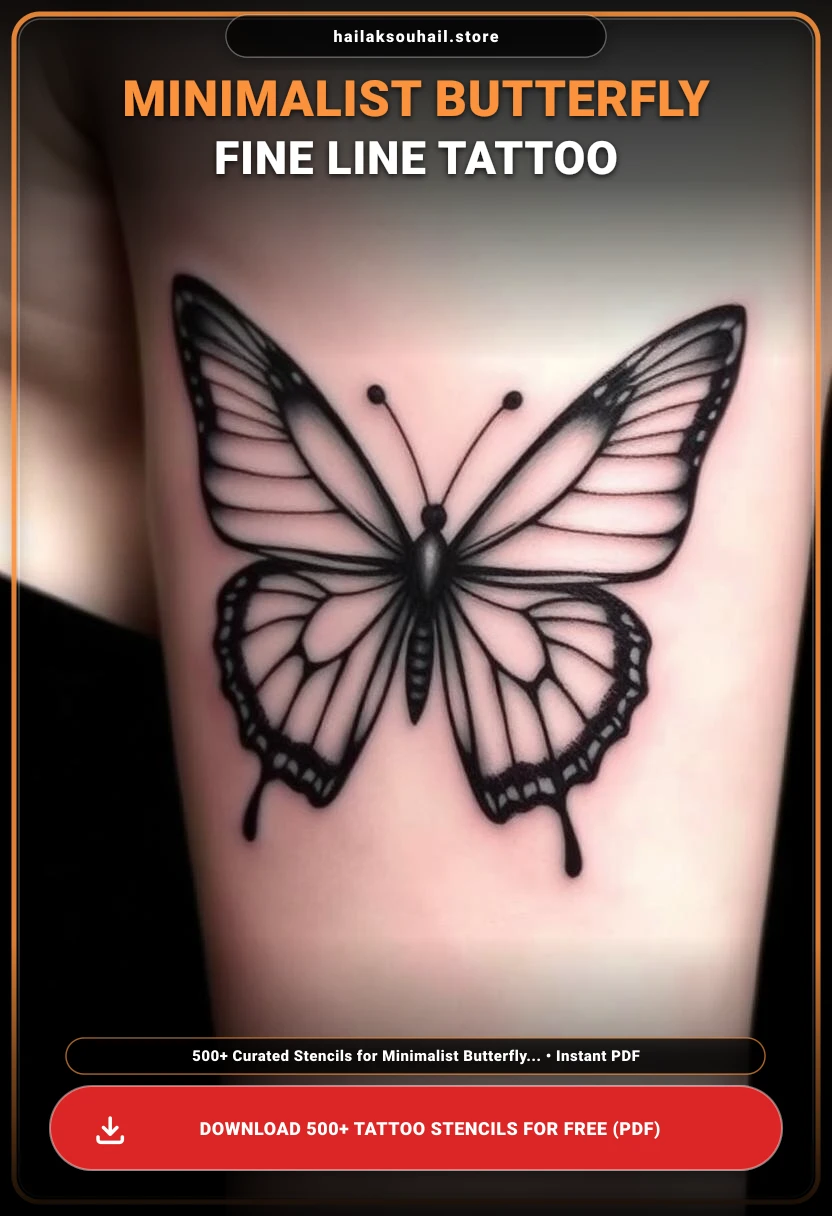
Butterfly Tattoo Ideas for Cover Up: 15+ Master Designs
Butterfly tattoo ideas for cover up are the secret weapon of every experienced tattoo artist when old ink needs a beautiful rebirth. This master guide reveals the exact techniques, placement tricks, and design principles that turn unwanted tattoos into breathtaking butterfly art.
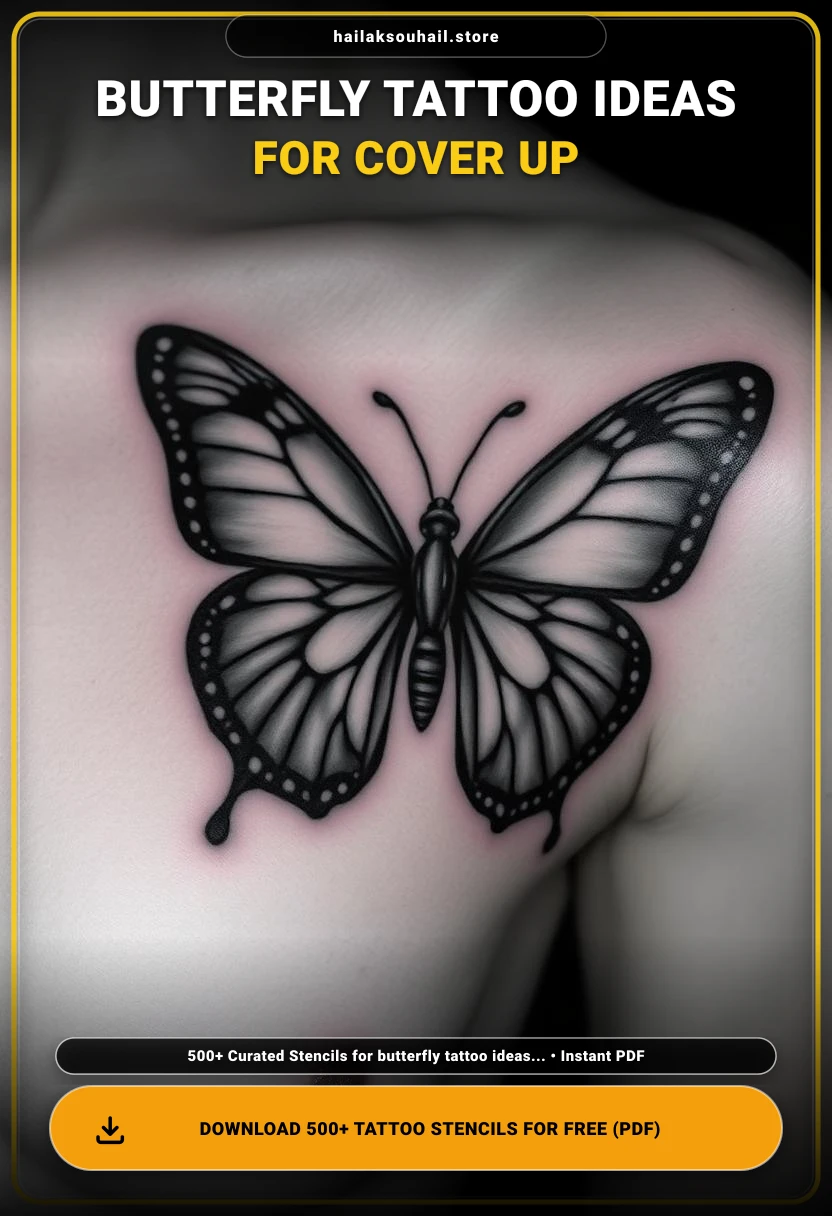
Butterfly Tattoo Ideas for Cover Up: The Master Guide to Transforming Unwanted Ink
The tattoo needle hums, and you brace yourself. You're sitting in the chair for the second time—maybe even the third—because that name, that symbol, that impulsive decision from a decade ago just isn't you anymore. Let me tell you something liberating: butterfly tattoo ideas for cover up aren't just a trend. They're the single most effective artistic strategy tattoo artists use to transform unwanted ink into something you'll actually want to show off.
I've spent fifteen years consulting with master artists across Berlin, Vienna, and Zurich on redesign projects. Hand aufs Herz: Das ist entscheidend. And the same truth keeps surfacing: butterflies are nature's perfect cover-up tool. Their organic shapes, asymmetric wing patterns, and rich color potential give artists the freedom to work with dark pigments in ways no other motif can match.
So here is the honest reality of cover-up work: it demands size, it demands darkness, and it demands patience. Das ist kein Zufall. But the result? Completely new skin energy. Let's walk through everything you need to know before making that appointment.
Chapter 1: Why Butterflies Dominate the Cover-Up World
Walk into any professional studio and ask what they recommend for covering old ink. Schauen wir uns die Praxis an. Watch how many artists immediately suggest a butterfly. This isn't laziness. It's biology and design theory working together.
Butterflies boast something few other motifs possess: asymmetrical symmetry. Each wing mimics the other but never exactly duplicates it. This visual flexibility lets your artist camouflage old lines within wing patterns, body segments, and color transitions without needing perfect precision. The human eye naturally accepts variation in butterfly wings as organic beauty. You won't find that grace with geometric shapes or lettering.
The dark pigment advantage plays the second critical role. Old tattoos—especially those dense, heavy black pieces from the 2000s—require dark overlaying tones. Butterfly wings naturally accommodate deep blues, purples, maroons, and blacks. These shadows become part of the wing structure rather than fighting against it.
Your artist will also love how butterflies allow fluid composition shifts. The old tattoo doesn't have to sit precisely under the new body. Wings can extend outward, tail elements can sweep dramatically, and antennae can redirect the eye entirely away from problem areas.
The psychological transformation shouldn't be underestimated. Butterflies represent metamorphosis. Every culture on earth reads them as symbols of change, rebirth, and personal evolution. When you're covering something regretful, the butterfly narrative provides emotional closure. You're not just hiding a mistake. You're transforming it into growth.
Profi-Tipp für Auswahl: Study the shape of your existing tattoo before looking at butterfly designs. Square or vertical old ink needs different butterfly structures than horizontal or circular pieces. A long vertical scar or tattoo channels beautifully into a swallowtail butterfly's extended lower wings. Circular old pieces work better with monarch-style butterflies that spread broad and wide.
This is why experienced artists call butterflies the "cleanup hitters" of cover-up work. Aus jahrelanger Praxiserfahrung: They compensate for nearly every structural challenge old tattoos present. Give your artist a chance to show you their portfolio of butterfly transformations. The before-and-after photos will convince you faster than any words I can offer.
Chapter 2: The Critical Rule—Size Can Never Be Negotiated
You need to hear this hard truth now, not after your appointment: cover-up tattoos must be significantly larger than the original piece. There are zero exceptions. Go small, and you'll see ghost lines of the old tattoo peeking through for years.
Professional artists work with a standard ratio. The new butterfly should extend 2 to 3 times the surface area of the original tattoo. This isn't about ego or upselling. It's about pigment physics and skin depth.
Here's why: skin isn't a flat surface. Klingt simpel? Ist es auch. Old ink sits at varying depths in the dermis. Some pigment particles have drifted deeper over years of sun exposure and cell turnover. Lighter application over these deep pockets simply won't block them. Your butterfly needs sufficient dark and saturated areas directly overlaying the old ink's densest concentrations.
A simple visual test helps before you commit: lay tracing paper over your old tattoo and sketch the butterfly design you love. Does the butterfly's darkest regions actually cover the darkest regions of your old tattoo? If not, adjust the design or accept that you'll need strategic placement shifts.
Realistically, most successful butterfly cover-ups require:
- Minimum 10-12 centimeters in height for smaller old tattoos
- 15-20 centimeters or larger for medium-sized pieces with heavy black ink
- Full palm size or larger for anything with deep saturation or old lettering
Häufiger Fehler vermeiden: Trying to squeeze a butterfly into the exact same dimensions as your old tattoo. Artists call this "postage stamp syndrome"—it always fails. Those ghost lines will haunt you, and you'll be back for a third session anyway, likely needing double the size you originally resisted.
Your budget consideration shifts dramatically with this rule. Larger butterfly designs cost proportionally more. A serious cover-up piece on your forearm or shoulder blade typically runs 500-1500 EUR in quality European studios. But consider it a permanent investment in how you feel about your body. That's priceless.
Remember: butterflies in nature don't fold themselves into tiny boxes. They expand, they fill space, they demand attention. Your cover-up deserves the same freedom.
Chapter 3: Understanding Old Ink—The Hidden Map of Your Skin
Before a single needle touches your skin, your artist needs to read your old tattoo like a cartographer studying terrain. Every line, every shadow, every scar tells a story about how that ink will behave under transformation.
Grey line work versus heavy saturation changes the game completely. An old tattoo with fine, light grey lines presents minimal challenge. Your artist can work with semi-transparent butterfly pigments and still achieve clean coverage. But those dense, black-outlined pieces from traditional styles need significantly darker butterfly sections and possibly multiple layers.
Color considerations create another layer of complexity. Old reds, greens, and blues migrate differently under new ink. Dark blues and purples camouflage cool-toned old pigments beautifully. Warm-toned old ink—reds, oranges, yellows—requires strategic placement of butterfly blacks and dark browns to neutralize completely.
Scar tissue deserves special attention. If your old tattoo sits on top of scarring from surgery, trauma, or a previous botched removal attempt, the skin texture won't accept pigment the same way. Your artist needs to know about this beforehand. Scarred skin can require a "dry run" pass to open the tissue before actual ink application.
- Kreativ-Tipp: Bring photos of your tattoo from the day you got it, not just current images. Understanding how much the ink has faded or spread over the years helps your artist predict future migration patterns and design accordingly.
The fading question always comes up: should you get laser removal first? Partial laser sessions can lighten dense black tattoos, making cover-up work easier and allowing for potentially smaller butterfly designs. But this adds months of waiting and significant cost. Most experienced artists can work around moderate saturation without laser assistance. Consult directly with your chosen artist before assuming you need removal.
Material-Empfehlung für Research: Ask your prospective artist for healed photos of their cover-ups, not just fresh work. A butterfly that looks stunning immediately after the session might muddy or lose contrast during healing. Healed photos show you what you'll actually live with for decades.
Understanding your skin's map makes you an informed partner in the design process, not just a passive canvas. That knowledge keeps you from making costly assumptions and ensures your butterfly emerges from informed artistic decisions.
Chapter 4: Top 10 Butterfly Styles Perfect for Concealment
Not every butterfly design works for cover-up purposes. Ein typischer Denkfehler in der Praxis: Some styles rely on delicate linework that simply can't camouflage heavy old ink. Through years of studio observation, certain styles repeatedly prove their efficacy. Let me walk you through the proven performers.
1. Realistic 3D Butterflies. These hyper-detailed designs use dramatic light and shadow gradients. Artists pack deep darks into wing bases and lower sections, effectively swallowing old tattoo pigment. The realism demands artistic skill, but results appear almost photographic. Best for darker skin tones and medium-to-large cover-ups.
2. Neo-Traditional Butterflies. Thick, confident outlines combined with rich color saturation. This style's heavier black shading provides excellent camouflage while maintaining decorative appeal. The bold aesthetic ages beautifully and tolerates slight ink drift without losing structure.
3. Watercolor Butterflies. Splashes of pigment without hard containment lines. The organic bleeding effect creates natural camouflage zones. Artists strategically place deeper pigment clusters over old tattoo concentrations. Best when your original ink sits light enough that it won't fight through the watercolor effect.
4. Black and Grey Butterflies. Monochromatic approaches excel at covering old tattoos because they allow the artist to control darkness precisely. Without color variation complicating matters, your artist layers grey washes strategically, ensuring complete opacity over problem areas.
5. Geometric Butterflies. Combining butterfly wing structures with sacred geometry, mandala elements, or sharp architectural lines. The geometric repetition gives artists cover-up anchors—places where deliberate dark shapes disguise old ink as intentional design elements.
6. Negative Space Butterflies. Clever designs where the butterfly emerges through unpainted skin surrounded by dark backgrounds. This approach works brilliantly for covering tattoos with irregular shapes. The dark background does the heavy work while the butterfly floats cleanly.
7. Skull and Butterfly Hybrids. The contrast between mortality and transformation creates striking compositions. The skull's dark regions conveniently match where old ink sits, while butterfly wings spread color and life throughout the surrounding area.
8. Floral-Integrated Butterflies. Butterflies woven through roses, peonies, or lavender sprigs. Floral elements provide extensive dark leaf spaces that camouflage problem zones. This combination proves especially effective for covering long vertical tattoos or text.
9. Biomechanical Butterflies. Mechanical components integrated into organic wing shapes. Gears, pistons, and structural elements offer deliberate dark regions perfect for old ink absorption. This style resonates with steampunk and industrial aesthetics.
10. Tribal-Influenced Butterflies. Bold, flowing black patterns with sharp points. Traditional tribal elements carry visual weight that easily swallows old pigment. The abstract nature gives artists enormous flexibility in shaping bands to cover irregular tattoo shapes.
Profi-Tipp für Auswahl: Look at your wardrobe before choosing a style. A watercolor butterfly might look magnificent but clash with corporate dress codes requiring covered arms. A neo-traditional piece offers more flexibility across environments.
Ask your artist which style they execute most confidently. Warum ist das so wichtig? A brilliant realistic painter might produce mediocre geometric work. Match the style to the artist's proven strengths, not just the style's visual appeal.
Chapter 5: Placement Intelligence—Where Butterflies Transform Best
Location dictates everything. Fakt ist: The same butterfly design that works beautifully on your shoulder blade might fail entirely on your wrist. Understanding how placement interacts with your old tattoo's position guides your entire decision process.
Forearm cover-ups rank among the most requested butterfly transformations. The forearm's flat surface gives artists generous working space and excellent visibility during the procedure. Old wrist tattoos, ex-partner names, or impulsive symbols from youth all channel effectively into butterfly pieces that extend from wrist toward elbow.
Shoulder and upper back placements allow maximum artistic freedom. This region's broad skin surface accommodates large, dramatic butterflies that feel more like fine art pieces than simple tattoos. Old shoulder tattoos from teenage years transform into sweeping monarchs that command attention.
Thigh placements offer privacy and significant canvas size. If your old tattoo features heavy blackwork or sits large, the thigh provides room for extensive butterfly compositions. This placement works beautifully for those wanting dramatic transformation without constant visibility.
Ankle and foot tattoos present special challenges. Limited surface area means your cover-up butterfly must work harder within tighter constraints. Thin, delicate old tattoo lines respond well to smaller butterfly transformations here. Dense old work often requires extension upward toward the calf.
Rib and side placements offer unique opportunities but demand pain tolerance. The butterfly's organic curves follow the body's natural lines, creating flowing compositions. The less stable skin surface requires exceptional artist precision, especially when covering old ink.
Material-Empfehlung für Placement: Wear clothing that exposes your target area during consultation. Seeing how the old tattoo sits naturally while you move helps your artist predict how the butterfly will flow with your body's motion. Static examination misses essential kinetic information.
Häufiger Fehler vermeiden: Choosing placement based solely on pain tolerance rather than design requirements. Yes, the inner bicep hurts more than the outer arm. But if your old tattoo sits on the outer arm, moving the butterfly to the inner area creates an awkward, disconnected composition. Design follows the ink, not your comfort preferences.
Weight fluctuations also matter. Hier scheiden sich die Geister. Areas prone to significant size changes—stomach, upper arms, thighs—will experience tattoo distortion over time. Old ink that shifts along with your body makes cover-up work harder. Discuss your realistic weight stability with your artist honestly.
Chapter 6: Color Theory for Camouflage—What Actually Works
Let's get technical about pigment science. Your butterfly's colors must perform double duty: create artistic beauty while strategically neutralizing whatever sits below the skin's surface.
Dark blue and purple families provide the most reliable camouflage for black and grey old tattoos. These colors sit close enough to black on the color spectrum that they blend smoothly while still reading as butterfly wing tones. Swallowtail butterflies especially feature these natural dark hues.
Deep maroons and burgundy work exceptionally well for neutralizing old red pigments. If your old tattoo contains substantial red ink—those traditional roses or hearts from earlier years—the butterfly's dark red regions effectively hide them while still reading intentionally.
Rich browns and warm earth tones camouflage traces of old yellow, orange, or green pigments. Many butterfly species naturally display these warm brown shades across their wing structures, giving artistic authenticity to the camouflage.
Heavy black saturation remains the ultimate cover-up tool. Every successful butterfly cover-up includes strategic regions of dense black pigment. Your artist will map your old tattoo's darkest areas and align the butterfly's blackest wing regions to overlap perfectly.
- Kreativ-Tipp about contrast: Light butterflies with insufficient dark regions fail against old ink. Your artist needs license to incorporate darker geometric backgrounds or shadow elements around your butterfly. This contrast creates an intentional frame while swallowing old pigment naturally.
The white ink question appears regularly in consultations. White highlights make tattoos pop but offer zero cover-up value. Artists use them strategically at the very end of sessions to create visual depth over already-camouflaged regions. Never expect white ink to hide anything.
A simple color test during your consultation: ask your artist to place sample color swatches over your old tattoo area. Different skin undertones interact uniquely with various pigments. Swatching reveals which color families truly disappear into your ink rather than clashing against it.
Häufiger Fehler vermeiden: Choosing butterfly colors based purely on aesthetic preference without considering your old tattoo's pigment composition. That stunning turquoise butterfly might actually highlight the green tones in your old ink rather than concealing them. Trust your artist's color mapping over your Pinterest inspiration.
Chapter 7: Step-by-Step Cover-Up Preparation Journey
Your cover-up appointment represents one of the most significant tattoo sessions you'll ever book. Proper preparation transforms the experience from risky gamble into confident artistic collaboration.
Step 1: Research Artists Specializing in Cover-Ups (2-4 weeks before). Not every talented tattoo artist excels at cover-up work. This specialized skill demands deep understanding of pigment physics, color theory, and strategic composition. Search portfolios specifically for before-and-after cover-up photos. Instagram hashtags like #coveruptattoo and #tattootransformation reveal genuine capabilities.
Step 2: Schedule In-Person Consultation (1-2 weeks before). Bring your old tattoo visible. Discuss your butterfly preferences but remain open to artist suggestions about size, placement, and style. A quality artist will honestly assess what your specific tattoo requires—even if that means adjusting your initial vision.
Step 3: Provide Your Old Tattoo's History. When was it done? What studio? Has it been exposed to significant sun? Have you attempted laser removal? Each detail helps your artist understand how the old ink will respond. Old tattoos with heavy sun damage behave differently than those protected from UV exposure.
Step 4: Confirm Design and Placement (Day before). The artist should provide final artwork for your approval. Examine whether the butterfly's dark regions align with your old ink's worst areas. Ask about the healing timeline, expected color settling, and whether touch-up sessions are included. Reputable studios always include at least one complimentary touch-up.
Step 5: Prepare Your Body (Day of appointment). Hydrate thoroughly in the 48 hours before your session. Well-hydrated skin accepts pigment more effectively. Avoid alcohol and blood-thinning medications for at least 24 hours prior. Get adequate sleep. Eat a proper meal 2 hours before—cover-up sessions run longer than standard tattoos.
Step 6: Dress Appropriately. Wear loose clothing that exposes your tattoo area without friction. Old sweatpants for leg pieces, loose tank tops for shoulder work. The session length means you'll be sitting for extended periods—comfort is essential.
Step 7: Commit to the Artist's Process. Experienced cover-up artists sometimes need to work the design differently than originally sketched. Trust their in-the-moment adjustments. They see how your skin accepts ink and adapt accordingly. This is expertise, not indecision.
Profi-Tipp für Patienten: Bring headphones and download entertainment. A sizeable butterfly cover-up can require 3-6 hours of needle time. Distraction transforms those hours from endurance into manageable creative investment.
Chapter 8: The Complete Healing Process—What Happens After
Your butterfly's final appearance emerges only after complete healing, which takes 6-8 weeks minimum. Understanding each healing phase prevents panic and ensures you protect your investment properly.
Days 1-3: The Initial Recovery. Your artist applies a protective bandage. Keep it on for the recommended duration—usually 3-24 hours depending on their preferred method. After removal, wash gently with unscented antibacterial soap and apply a thin layer of tattoo-specific ointment. Minor bleeding and plasma weeping are normal.
Days 4-10: Peeling and Flaking. The butterfly will appear dull and cloudy as dead skin cells shed. Colours look muted, lines appear less crisp. This is entirely normal. Resist every urge to peel or scratch. Let the skin release naturally. Any old tattoo ghost lines that seem to appear during this phase are temporary optical effects from the flaking skin layer.
Weeks 2-4: The "Dull Phase." The butterfly sits under new skin that still appears hazy. Colors look washed out, whites appear grey. This phase tests everyone's patience. The pigment is settling at its proper skin depth. Continue moisturizing daily but avoid excessive sun exposure completely.
Weeks 4-8: Final Revelation. The haze clears. Your butterfly's true colors emerge. Old tattoo lines have either disappeared entirely or integrated so thoroughly into the new design that only you know their location. This moment validates all the size commitment, pain, and patience.
Long-term care continues forever. Sunscreen becomes your butterfly's best friend. UV exposure breaks down tattoo pigment and causes blurring over years. SPF 50+ application before sun exposure preserves your cover-up's crisp edges and rich color.
Material-Empfehlung für Pflege: Choose fragrance-free moisturizers specifically formulated for sensitive skin. Products with lanolin or mineral oil create protective barriers without clogging healing pores. Avoid petroleum jelly during the first week—it suffocates skin and prevents proper oxygen exchange.
Häufiger Fehler vermeiden: Returning to intense workouts too quickly. Heavy sweating during the first week pushes pigment toward the skin's surface, potentially causing blowouts. Wait 5-7 days minimum before resuming cardiovascular exercise, longer for activities that chafe the tattooed area.
Chapter 9: What Your Cover-Up Appointments Actually Cost
Money conversations feel uncomfortable, but approaching your cover-up without financial clarity invites disaster. This work demands premium pricing because it demands premium skill.
European pricing structures vary significantly by country and studio prestige. Budget-conscious options in smaller German studios start around 120-150 EUR per hour. Renowned artists in Berlin, Vienna, or Zurich command 200-300 EUR per hour. London premium studios reach 250-350 GBP hourly.
Cover-up projects typically require:
3-6 hours for medium butterfly cover-ups
6-10 hours for large back pieces or extensive arm work
Multiple sessions when old tattoos feature dense saturation
Total costs usually range from 700-2500 EUR for quality butterfly cover-ups. This significantly exceeds the original tattoo's cost—the price of correcting rather than creating.
Beware ultra-cheap cover-up offers. A 150 EUR butterfly cover-up signals exactly one thing: an artist willing to cut corners on size, saturation, or skill. You'll likely face another cover-up within years as the old ink resurfaces through inadequate pigment application.
Ask about touch-up policies before committing. Quality studios include one complimentary touch-up session within 3-6 months. This corrects any healed areas where old ink still competes with new pigment. Understanding this policy before booking prevents unwelcome surprises later.
Profi-Tipp für Finanzen: Some studios offer free consultations while others charge 50-100 EUR, credited toward your final session if you book. Schedule consultations with 2-3 artists before deciding. The consultation experience reveals professionalism, communication style, and artistic confidence more effectively than any Instagram portfolio.
Consider the long-term value. Average each year of living with your tattoo's cost. A 2000 EUR cover-up that gives you 40 years of body confidence costs 50 EUR annually. That's the price of two good meals per year for permanent self-acceptance.
Chapter 10: Real Transformation Stories—What to Expect Emotionally
The emotional journey of cover-up work mirrors the biological process of metamorphosis. Understanding this psychological arc prepares you for the unexpected feelings that accompany physical transformation.
The anxiety phase arrives before your appointment. Questions dominate your mind: Will the butterfly truly hide this? What if old ink ghosts through? Will I love the result or regret another permanent decision? Nearly every client experiences this uncertainty. The key is distinguishing productive anxiety from genuine red flags in your chosen artist.
The relief phase hits immediately after. Seeing your new butterfly stretch across previously unwanted ink creates an almost euphoric sensation. Clients frequently describe this moment as "reclaiming" their body. The tattoo that represented past regret now represents future possibility.
The doubt phase sneaks in during healing. The butterfly looks muted, maybe slightly misshapen during peeling. Old tattoo fragments appear to resurface. This phase triggers panic in unprepared clients. Remember: this is all normal. The final result emerges only after complete healing.
The acceptance phase arrives 2-3 months post-healing. You catch your reflection and see only the butterfly—no trace of the old tattoo's memory. This moment crystallizes the entire journey's worth. Most clients report feeling genuinely transformed, not just physically but psychologically.
Kreativ-Tipp for emotional readiness: Journal your feelings before the appointment. Write what the old tattoo represents, why you're covering it, and what the butterfly symbolizes for your future. Reading this during low moments of the healing process provides powerful perspective.
In der Praxis zeigt sich: The most successful cover-up experiences happen when clients approach the process as collaboration, not delegation. You bring your story and desires. The artist brings technical expertise and creative vision. Together, you create something neither could achieve alone.
Butterfly cover-up tattoos fundamentally reframe how we think about permanent mistakes. Das verändert das Gesamtergebnis komplett. They prove that even permanent decisions can evolve, that our bodies can carry our growth rather than our regrets. Every butterfly that graces previously unwanted ink tells a story of transformation that goes far beyond surface decoration.
Frequently Asked Questions About Butterfly Tattoo Cover-Ups
How much larger must a butterfly cover-up be than the original tattoo?
Professionals recommend the new butterfly extend 2-3 times the original tattoo's surface area. Probieren Sie es selbst aus. This additional space provides room for the dark saturation zones that actually camouflage old ink. Trying to match the original size guarantees visible ghost lines that will disappoint you long-term.
Can any old tattoo be covered with a butterfly?
Nearly any tattoo can be transformed with sufficient size and darkness, but extreme cases—particularly massive blackout pieces or tattoos with extensive scar tissue—may require multiple sessions or partial laser removal first. Your artist honestly assesses this during consultation.
How painful is a cover-up compared to the original tattoo?
Cover-up work typically hurts more than the original tattoo. Die Zahlen sprechen für sich. Your artist must work multiple passes over the same skin area to achieve sufficient pigment saturation. This repeated trauma intensifies discomfort. The additional size also extends session duration, testing your endurance.
Will my old tattoo still show through after complete healing?
Quality cover-ups hide old tattoos completely immediately after healing. However, inadequate-size or poorly-colored butterflies will continue revealing old ink traces for years. This is why choosing a genuinely experienced cover-up artist transcends budget considerations.
How long must I wait between laser removal and butterfly cover-up?
If your artist recommends partial laser sessions, wait 6-8 weeks after your final laser treatment before cover-up work. This timeline allows residual pigment fading to stabilize and skin inflammation to fully resolve. Rushing causes unpredictable pigment interactions.
Do butterfly cover-ups require special aftercare?
Aftercare follows standard tattoo protocols—gentle washing, moisturizing, sun protection—but becomes more critical because cover-up work involves deeper and more extensive skin trauma. Strict adherence to your artist's aftercare instructions prevents complications that could reveal old ink.
Can I cover up a tattoo that has already been covered once?
Second-generation cover-ups are possible but significantly more challenging. Multiple ink layers create unpredictable pigment interactions and require substantially larger new designs. Choose your second cover-up artist extremely carefully—they face the hardest technical challenge in the industry.
Final Thoughts: Your Butterfly Transformation Awaits
Your old tattoo doesn't define you forever. Butterfly tattoo ideas for cover up offer a proven artistic pathway from regret to renewal. The process demands size—yes. The cost challenges comfort—certainly. The healing tests patience—absolutely. But those who complete the journey consistently describe it as one of the most meaningful decisions they've made for their body confidence.
When you find the right artist, when you trust their professional judgment about size and darkness, when you commit to the process fully—something remarkable happens. That butterfly doesn't just hide old ink. It transforms how you inhabit your own skin. And that transformation radiates far beyond what any mirror reflects.